
Understanding the psychological triggers behind casino gambling choices
The Role of Emotion in Gambling
Emotion plays a significant role in casino gambling choices, often driving players to make impulsive decisions. When individuals step into a casino or log into an online platform, they may be seeking a thrill that provides an escape from their daily lives. This desire can lead to a heightened emotional state, which can cloud judgment and enhance the risk-taking behavior associated with gambling. For instance, a person experiencing stress might gamble as a way to relieve tension, leading to poor decision-making as they chase losses rather than placing calculated bets. Online platforms, such as https://fortislots.uk/, demonstrate how emotional engagement can significantly affect gambling participation.
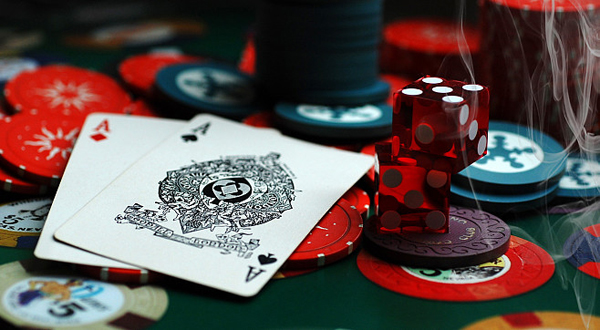
Furthermore, the emotional response to winning or losing can create a cycle that keeps players engaged. Winning elicits a rush of excitement and happiness, triggering the release of dopamine, the brain’s pleasure chemical. Conversely, losing can lead to feelings of frustration or sadness, prompting players to continue gambling in hopes of a comeback. Understanding how these emotional triggers work is vital for recognizing patterns of gambling behavior and the potential for addiction.
In essence, casinos and online gambling platforms often capitalize on these emotional states through their environment and offerings. Bright lights, engaging sounds, and thrilling gameplay all contribute to an immersive experience designed to provoke strong emotional reactions. By tapping into the psychological need for excitement and emotional engagement, casinos effectively influence gambling choices and behaviors.
The Impact of Social Influences
Social influences significantly impact gambling behavior, shaping the decisions individuals make in a casino environment. Friends, family, and societal norms can create a sense of community around gambling, encouraging individuals to partake in these activities. For instance, social events like poker nights or trips to the casino with friends can normalize gambling, making it a more attractive option. This peer pressure can lead to increased gambling frequency, as individuals want to fit in or experience the same thrill as their peers.
Moreover, the rise of social media has amplified this phenomenon, with platforms showcasing big wins and glamorous lifestyles associated with gambling. Influencers and popular figures often glamorize gambling, making it appear not just socially acceptable but aspirational. This can entice individuals to engage in gambling behaviors they might not otherwise consider. The psychological drive to be part of a community can lead to irrational choices and excessive gambling.
Additionally, social reinforcement can compound gambling behaviors, as individuals may boast about wins or recount exciting moments at the casino, further enticing their friends to join in. This social dynamic can obscure individual risk awareness, leading to a cycle where gambling becomes a communal activity rather than an individual choice. The social dimension of gambling creates layers of psychological triggers that significantly influence choices and behaviors.
Cognitive Biases and Misconceptions
Cognitive biases play a critical role in how players perceive their chances of winning and ultimately influence their gambling choices. One common bias is the illusion of control, where individuals believe they have a greater influence over the outcomes of games of chance than they actually do. This misconception can lead to overconfidence in one’s gambling abilities, prompting players to place higher bets or engage in riskier behavior in hopes of winning big.
Another prevalent cognitive bias is the gambler’s fallacy, where individuals believe that past outcomes influence future results. For example, a player may think that if a slot machine hasn’t paid out recently, it is ‘due’ for a win. This fallacy can distort decision-making, as players may continue to gamble based on faulty reasoning, increasing their investment even when statistical evidence suggests otherwise.
Understanding these cognitive biases is essential for promoting responsible gambling behaviors. By recognizing that many gambling decisions are influenced by flawed thinking patterns, individuals can better manage their expectations and make more informed choices. Education around these biases can help mitigate impulsive behaviors and foster a healthier approach to gambling, encouraging players to view it as entertainment rather than a reliable source of income.
The Effect of Marketing Strategies
Marketing strategies employed by casinos and online gambling platforms also play a pivotal role in shaping player choices. These businesses invest heavily in creating enticing promotions, loyalty programs, and bonuses that can draw in players. For example, a generous welcome bonus can create excitement and motivate new players to sign up, often leading them to gamble more than they initially intended. This strategy effectively harnesses the psychological principle of loss aversion, where players feel the need to take advantage of perceived value.
Moreover, casinos use targeted advertising to appeal to specific demographics, tailoring messages that resonate with particular interests and lifestyles. For instance, ads promoting high-stakes games may attract high rollers looking for prestige, while advertisements for online slots may appeal to casual gamers seeking fun and entertainment. By effectively segmenting their audiences and customizing their marketing, casinos can significantly influence gambling choices, often leading to increased participation.
The use of gamification within online platforms further enhances engagement by making the gambling experience feel like a game. Features such as leaderboards, rewards, and achievements tap into the psychological desire for competition and accomplishment. This approach keeps players returning for more, as they are incentivized not only to win but also to engage with the platform on a deeper level, creating a cycle that can lead to increased gambling frequency.

Fortislots and Responsible Gambling
Fortislots represents a modern approach to online gambling, prioritizing a safe and engaging environment for players. With a diverse selection of games and a user-friendly interface, it caters to various player preferences, whether they are casual gamers or high rollers. Importantly, Fortislots also emphasizes responsible gambling, providing resources and tools to help players manage their gambling behavior effectively. They understand the psychological triggers involved in gambling and strive to create a transparent and supportive experience for users.
The platform offers features such as deposit limits, self-exclusion options, and links to professional support services to ensure players can gamble responsibly. Fortislots aims to raise awareness of the psychological aspects of gambling, helping players recognize their emotional and cognitive triggers. This approach not only enhances the overall gaming experience but also fosters a culture of responsible gambling, which is crucial in today’s gambling landscape.
By combining cutting-edge technology with a commitment to player welfare, Fortislots sets itself apart in the online casino market. They recognize that understanding psychological triggers is key to developing a responsible and enjoyable gambling experience, making them a top choice for players looking for excitement without compromising their well-being.